Manufacturing
 Logistics
 Real Estate
 Retail
 Finance
 Healthcare
 Hospitality
 Automotive
AI in contract management: Scope, integration, use cases, challenges and future outlook

Listen to the article
Contracts are foundational in finance, governing transactions and partnerships that directly impact a business’s bottom line. Effective contract management ensures these agreements are upheld, reducing risks and maximizing value. However, as financial operations grow more complex, managing contracts manually becomes increasingly inefficient, leading to significant challenges.
In the finance sector, nearly one-third of the workforce is involved in contract management, yet 40% of organizations struggle with clear accountability for contract tasks. Despite their importance, 89% of organizations report dissatisfaction with their contracting processes. Manual review of contracts, inefficient retrieval, and complex negotiations result in high costs and delays, with basic contracts costing up to $7,000 to create and review.
The growing volume and complexity of contracts are driving the need for automation. AI-powered contract management solutions address these issues by automating tasks such as contract creation, review, compliance tracking, and risk assessment. AI reduces administrative costs by 25-30%, accelerates contract cycle times by up to 80%, and boosts compliance by 55%. Additionally, it mitigates contract leakage, which can erode up to 8.6% of a contract’s value, ensuring financial protection and better decision-making.
The global AI in contract management market is projected to grow at a rate of 27.2% CAGR, reaching $3.98 billion by 2033. AI’s ability to streamline workflows, automate contract creation, and ensure compliance is becoming a key driver for businesses in finance to improve efficiency, reduce risks, and enhance profitability.
As AI adoption accelerates, platforms like ZBrain are transforming contract management by enabling organizations to build intelligent, end-to-end solutions for contract and agreement management. These solutions empower finance and legal teams to automate repetitive tasks, detect anomalies, and gain real-time insights that drive better decision-making. Beyond basic automation, ZBrain evaluates an organization’s current contract maturity and uncovers high-impact opportunities for improvement across the entire contract lifecycle—from creation and negotiation to compliance, renewal, and performance monitoring.
From contract creation and negotiation to compliance tracking and renewal management, AI optimizes contract workflows. By streamlining contract drafting, automating risk assessments, and ensuring compliance with regulatory requirements, it reduces manual effort and accelerates contract cycles. AI supports finance teams in enhancing efficiency, improving contract accuracy, and safeguarding financial interests, enabling more informed and strategic decision-making.
This article examines the pivotal role of AI in reshaping contract management for finance teams, emphasizing its power to automate complex processes, minimize errors, and protect financial integrity. It explores how platforms like ZBrain enable organizations to deploy AI-driven solutions that streamline contract workflows, improve operational efficiency, enhance accuracy, and strengthen compliance throughout the contract lifecycle.
- What is contract management?
- Understanding the contract management process flow
- Transforming contract management: How AI solves traditional challenges
- Approaches to integrating AI into contract management
- AI applications transforming the contract management processes
- How ZBrain addresses contract management use cases with AI-powered solutions
- Benefits of implementing AI in contract management
- Measuring the ROI of AI in contract management
- Challenges and considerations in adopting AI for contract management
- Best practices for implementing AI in contract management
- The future of AI in contract management
What is contract management?
Contract management is the structured process of overseeing agreements to ensure that obligations are met, risks are minimized, and value is delivered throughout the contract lifecycle. In finance, it focuses on managing contracts that involve significant or recurring payments, such as vendor agreements, leases, or service contracts, to provide visibility into financial commitments and ensure compliance. The process begins once a contract is signed and involves a series of key stages to ensure effective management.
The first stage is contract initiation and storage, where contracts are securely stored in a centralized repository for easy access and reference. This is followed by ongoing monitoring, where key terms, obligations, payment schedules, and renewal dates are actively tracked to avoid missed deadlines or non-compliance. Another critical stage is performance evaluation, which involves reviewing contract terms to ensure they are being adhered to and that the agreement delivers the expected financial or operational value. Regular reviews are also conducted to identify opportunities for renegotiation or improvement. The final stage is renewal or termination, where contracts nearing expiration are assessed to decide whether they should be renewed, renegotiated, or terminated based on their alignment with the organization’s objectives.
By following these stages, contract management ensures that financial agreements are managed efficiently and that a thorough understanding of contractual obligations and benefits informs decisions. This approach supports cost optimization, compliance, and risk mitigation while contributing to the organization’s broader financial strategy.
Why is contract management important?
Contract management is a cornerstone of effective financial governance, providing organizations with the tools and processes needed to oversee their contractual obligations, optimize spending, and mitigate risks. Its importance stems from its ability to streamline financial operations, enhance collaboration, and support strategic decision-making across the organization. Companies can achieve better financial outcomes, improve compliance, and reduce inefficiencies by ensuring that contracts are effectively monitored and managed.
Key benefits of financial contract management
-
Central repository for contracts
A centralized hub for all financial contracts offers unparalleled organization and access, enabling seamless collaboration between stakeholders and finance teams. This repository ensures that all parties work with the same up-to-date information, improving communication and decision-making. Moreover, it provides visibility into critical dates like renewal deadlines and escalations, allowing teams to act proactively to avoid disruptions. -
Improved visibility into financial commitments
Financial contract management offers comprehensive visibility into all contractual obligations, a critical advantage for accurate forecasting and budgeting. Real-time access to financial commitments allows for precise cash flow planning, while quicker access to spend data reduces the time required for corporate budgeting. Additionally, cross-functional insights gained from analyzing contract data can uncover opportunities for cost savings, such as renegotiating terms or consolidating vendor services, contributing to significant financial optimization. -
Risk mitigation and compliance
Proactive risk assessment is a core benefit of contract management, enabling organizations to identify and manage potential risks tied to contractual agreements. Maintaining compliance with relevant laws and regulations minimizes the risk of legal penalties and ensures smoother operations. Comprehensive documentation further simplifies compliance audits and enhances accountability. -
Financial optimization and strategic decision-making
Visibility into contractual commitments leads to better budget management, timely invoicing, and efficient payment collection, improving cash flow and revenue recognition. Additionally, a well-managed contract portfolio generates valuable data and analytics, providing insights into contract performance, trends, and opportunities. These insights empower organizations to make strategic decisions that align with long-term goals, from renegotiating contracts to streamlining supplier relationships.
Understanding the contract management process flow
Effective contract management is crucial in the financial industry, where every agreement carries significant implications for compliance, risk, and profitability. This section breaks down the contract management process flow into ten essential stages, ensuring every step is streamlined, compliant, and efficient.
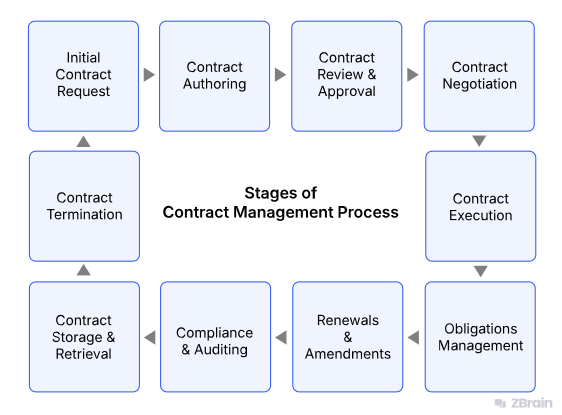
1. Initial contract request
The process begins with identifying the need for a contract. This step involves defining the purpose, identifying stakeholders, and outlining the basic requirements of the agreement. Establishing workflows for drafting, approval, and execution ensures a smooth start to the contract lifecycle.
2. Contract authoring
At this stage, the contract is written to reflect all terms, conditions, and obligations. Clarity is key—jargon-free, straightforward language reduces misunderstandings. Leveraging automated contract templates enhances efficiency and ensures consistency while leaving room for negotiable terms.
3. Contract review and approval
Contracts undergo meticulous review and approval, aligning with organizational goals and compliance requirements. This stage involves multiple stakeholders, such as legal, finance, and compliance teams, to validate accuracy and mitigate risks. Digital workflows and e-signature tools streamline this step further.
4. Contract negotiation
Negotiations ensure the agreement reflects a fair balance between parties. Preparation, clear communication, and flexibility are crucial for resolving potential conflicts. All changes are meticulously documented to maintain transparency and compliance.
5. Contract execution
Once finalized, the contract is executed through physical or electronic signatures. Securely storing signed agreements in a centralized repository ensures easy accessibility for future reference.
6. Obligations management
With the contract in effect, obligations management ensures that deliverables, deadlines, and responsibilities are met. Using data-centric approaches like metadata fields for key terms simplifies tracking and supports timely performance reviews.
7. Renewals and amendments
Contracts are dynamic documents requiring periodic review. Renewals extend partnerships, while amendments adjust terms to reflect changing circumstances. Timely stakeholder engagement, clear documentation, and legal compliance are critical at this stage.
8. Compliance and auditing
Regular compliance checks and audits ensure all parties adhere to contract terms. Detailed records and audit trails provide transparency and support legal or regulatory reviews. Feedback from audits can improve future contract management processes.
9. Contract storage and retrieval
Organized storage in a centralized digital repository simplifies retrieval and ensures security. Features like indexing, tagging, and role-based access control enhance efficiency while protecting sensitive information.
10. Contract termination
The final stage formalizes the end of the agreement. Before termination, obligations are verified, accounts are settled, and confirmation is obtained from all parties. Internal systems are updated to reflect the termination, ensuring accurate records and regulatory compliance.
Understanding and executing each stage of the contract management process flow is essential for maintaining seamless operations in the financial sector. A structured approach reduces risk, enhances efficiency, fosters trust, and supports strategic decision-making. By mastering these steps, organizations can transform contract management into a powerful tool for achieving business goals.
Transforming contract management: How AI solves traditional challenges
Contract management is crucial for ensuring effective oversight of agreements, maintaining compliance, and optimizing business outcomes. However, traditional contract management methods are often marred by inefficiencies, manual errors, and lack of visibility. With the integration of artificial intelligence (AI), organizations can revolutionize their contract management processes, enhancing accuracy, transparency, and efficiency. Below is a breakdown of key challenges faced in contract management and how AI helps overcome them:
|
Challenge |
Impact of traditional methods |
How AI helps overcome this challenge |
|---|---|---|
|
Time-consuming contract reviews |
Reviewing contracts manually is slow and error-prone, with significant time wasted on repetitive tasks. |
AI automates reviews, highlights non-compliant terms, and streamlines evaluations, enabling faster, more accurate processing. |
|
Limited transparency on claims and service credits |
Claims and service credits are difficult to monitor, leading to disputes and financial losses. |
AI tracks claims and credits, ensuring timely identification and resolution while improving transparency in agreements. |
|
Lack of supplier performance information |
Performance metrics are poorly monitored, leading to weak supplier accountability. |
AI analyzes performance data, enabling real-time supplier evaluations and proactive performance management. |
|
Unclear responsibilities in supplier disputes |
Ambiguities in roles and responsibilities during disputes create inefficiencies and delays. |
AI maps roles and responsibilities, ensuring clarity in dispute resolution and faster conflict management. |
|
No tracking of spend versus plan |
Failure to monitor spend against the time plan leads to budget overruns and inefficient resource allocation. |
AI tracks real-time spend, compares it to plans, and flags discrepancies to ensure better financial control. |
|
Contingency or risk mitigation plans missing |
Lack of proactive risk management increases exposure to financial and operational risks. |
AI identifies potential risks, suggests mitigation strategies, and supports the creation of contingency plans. |
|
No notifications of terms, rights, or obligations |
Missed obligations or rights result in financial losses, legal disputes, or lost opportunities. |
AI sends automated alerts for key dates, obligations, and rights to ensure timely actions and compliance. |
|
Undefined handover processes |
Poor handover processes create confusion, delays, and gaps in contract execution. |
AI facilitates smooth transitions by automating task assignments and ensuring visibility into handover workflows. |
|
Cost and scope creep |
Uncontrolled scope changes and cost overruns erode contract value and profitability. |
AI monitors scope and costs, flags deviations, and provides actionable insights to prevent overruns. |
|
Business cases are rarely revalidated |
Outdated assumptions in business cases lead to inefficiencies and misaligned priorities. |
AI regularly revalidates business cases, leveraging real-time data to ensure continued alignment with strategic goals. |
|
Contract value lost |
Inefficiencies, missed deadlines, and poor visibility lead to significant value leakage. |
AI optimizes processes, enhances compliance, and minimizes value loss by ensuring contracts are fully leveraged. |
By addressing these challenges, AI transforms contract management into a streamlined, data-driven, and proactive process. It reduces financial leakage, enhances supplier collaboration, and enables organizations to maximize the strategic value of their contracts.
Streamline your operational workflows with ZBrain AI agents designed to address enterprise challenges.
Approaches to integrating AI into contract management
AI is revolutionizing financial contract management by automating routine tasks, increasing accuracy, and providing valuable insights that enhance decision-making. Organizations looking to integrate AI into their contract management workflows can choose from various approaches depending on their specific requirements, available resources, and long-term goals. Below is an overview of key strategies for integrating AI into financial contract management.
Custom, in-house AI development
This approach involves developing a bespoke AI solution designed to tackle specific challenges within financial contract management, such as contract drafting, compliance monitoring, risk assessment, and supplier performance tracking. It requires building or fine-tuning AI models tailored to the company’s processes, legal frameworks, and data.
Advantages:
-
Customization: Offers the flexibility to address specific pain points in financial contract management, such as ensuring tailored risk mitigation measures or improving dispute resolution processes.
-
Full control: Provides control over data privacy, model training, and ensuring alignment with internal legal standards and regulatory requirements.
-
Long-term fit: Ensures the solution evolves alongside the business, adapting to future needs, and scaling as the organization grows.
Using AI point solutions
This approach involves adopting pre-built, off-the-shelf AI tools designed to perform specific tasks in financial contract management, such as contract analysis, clause identification, or automated renewals.
Advantages:
-
Quick deployment: Point solutions are ready to be deployed, offering immediate improvements in areas such as contract review or terms analysis.
-
Cost-effective: These tools generally require fewer resources to implement compared to custom-built solutions.
-
Ease of use: Designed for legal teams and non-technical users, these tools are typically easy to integrate into existing contract management systems and workflows.
Adopting a comprehensive AI platform like ZBrain
An AI enablement platform like ZBrain supports the end-to-end AI journey behind contract management—from readiness assessment and opportunity discovery to building, deploying, and scaling AI agents and applications. Instead of focusing solely on automating contract tasks, ZBrain helps organizations identify where AI creates the highest value, design the right solutions, and operationalize them with enterprise-grade governance. This ensures contract management becomes intelligent, compliant, and scalable, not just automated.
It includes these platforms:
ZBrain XPLR
An AI readiness and opportunity assessment platform that helps organizations discover, prioritize, and plan high-impact AI solutions across functions such as legal, procurement, sales operations, and contract lifecycle management.
ZBrain Builder
An implementation and orchestration platform for developing, deploying, and managing custom AI agents and applications. It enables teams to automate contract drafting, risk analysis, clause extraction, review cycles, compliance checks, renewals, and approval workflows—without requiring deep AI expertise.
What does this mean for contract management?
With ZBrain’s unified stack, organizations can:
-
Assess AI opportunities across contract creation, negotiation, review, obligations, compliance, and renewals.
-
Rapidly build and deploy intelligent agents that:
-
Draft contracts based on templates and policies
-
Extract key terms, obligations, and risks
-
Automate redlining and version comparison
-
Enforce compliance and approval rules
-
Manage contract renewals and alerts
-
-
Continuously optimize contract processes through data-driven insights, improving accuracy, reducing cycle times, and ensuring compliance.
Together, these platforms enable businesses to implement AI-driven contract management that is strategic, measurable, and scalable—not simply automated.
Advantages of an AI enablement platform like ZBrain for contract management
Strategic AI readiness and alignment
Provides structured assessment of AI maturity, data readiness, and contract-related opportunities, helping organizations invest in high-impact automation instead of isolated legal tech experiments.
Unified lifecycle from discovery to deployment
Brings together ideation, solution design, and execution in one ecosystem, enabling seamless progression from identifying gaps in contract management to deploying AI agents that address them at scale.
Custom AI agents for contract workflows
Empowers teams to build tailored agents for contract drafting, clause extraction, obligation tracking, risk scoring, compliance validation, and approval orchestration—reducing manual work and increasing accuracy.
Cross-functional collaboration and governance
Promotes structured collaboration across legal, procurement, sales, finance, and operations teams to co-design transparent, compliant, and efficient contract workflows.
Enterprise-grade security and scalability
Supports monitoring of AI agents and applications—including accuracy, compliance, and legal risk—while ensuring all contract processes meet enterprise governance and security requirements.
Continuous optimization and observability
Enables ongoing monitoring of AI agents—covering accuracy, performance, auditability, and business impact—so contract processes evolve alongside regulatory requirements and business priorities.
Scalability and extensibility
Integrates seamlessly with CLM systems, CRMs, ERPs, document repositories, and internal policy databases, providing a flexible foundation that adapts to new contract types, legal frameworks, and global expansion.
Choosing the right approach
Selecting the appropriate AI integration strategy for your financial contract management processes requires evaluating several key factors:
-
Specific business needs: Identify which aspects of contract management require AI intervention, such as automated contract review, compliance monitoring, or supplier performance analysis.
-
Resources and expertise: Assess internal capabilities, available budget, and technical infrastructure to support AI adoption.
-
Compliance and security requirements: Ensure the selected AI solution complies with legal regulations and adheres to data security standards.
-
Scalability and long-term goals: Opt for a solution that can scale with business growth and align with the organization’s broader objectives.
By aligning AI integration strategies with organizational priorities, businesses can unlock the full potential of AI to streamline contract management, enhance compliance, and improve financial performance.
AI applications transforming the contract management processes
AI is revolutionizing contract management by automating key processes, improving efficiency, ensuring compliance, and reducing risks across every stage of the contract lifecycle. Below is a detailed breakdown of how AI is transforming each stage, including the processes and sub-processes that can be automated.

Initial contract request
AI helps streamline the initial contract request process by automating the identification of stakeholders, defining contract requirements, and ensuring that workflows are established for efficient contract drafting and approval.
-
Automated contract request forms: AI-driven platforms can streamline the creation of contract requests by generating predefined templates based on the nature of the agreement.
-
Stakeholder identification: AI can analyze historical contract data to identify key stakeholders and suggest relevant parties for contract initiation.
-
Requirement matching: AI systems can match contract needs to standard templates, ensuring consistency and reducing human errors in the initial stages.
Contract authoring
AI-powered tools automate the drafting of contracts by recommending relevant clauses, ensuring clear, jargon-free language, and maintaining consistency across agreements with the help of pre-built templates and machine learning algorithms.
-
Automated document drafting: AI-powered contract authoring tools can generate initial drafts based on predefined templates and historical contract data. Natural Language Processing (NLP) helps identify and insert relevant clauses, ensuring language is clear and standardized.
-
Clause recommendations: AI can suggest clauses based on the specific type of agreement, industry standards, and previous contracts, reducing the time required for manual review.
-
Smart contract templates: AI can use machine learning to continuously improve templates based on past contract performance and evolving regulatory standards.
Contract review and approval
AI enhances the review process by automatically flagging compliance issues, checking for missing or risky clauses, and routing contracts for approval, all while maintaining transparency and reducing human error.
-
AI-driven contract review: AI systems can automatically review contracts for compliance, identify risks, and flag issues related to terms and conditions, such as missing clauses or unfavorable terms.
-
Automated approval workflows: AI can streamline approval processes by routing contracts to the appropriate stakeholders based on predefined rules, ensuring faster and more efficient reviews.
-
Risk analysis and compliance checks: AI tools can scan contracts to ensure adherence to legal standards, corporate policies, and regulatory requirements, flagging any non-compliance issues before approval.
Contract negotiation
AI assists in negotiations by analyzing historical contract data to suggest optimal terms, tracking all changes during negotiations, and offering predictive analysis for better decision-making throughout the negotiation process.
-
Intelligent negotiation assistants: AI-powered negotiation tools can analyze past contract negotiations to suggest optimal terms, suggest compromises, and provide recommendations for improving negotiations.
-
Automated change tracking: AI can track and document all changes made during negotiations, ensuring transparency and helping maintain a complete, accurate contract history.
-
Predictive analysis: AI systems can use data from past contracts to predict potential negotiation outcomes, advising on the best strategies and approaches.
Contract execution
AI simplifies contract execution by integrating e-signatures, ensuring secure storage of signed contracts, and triggering alerts for timely execution, streamlining the process from drafting to final agreement.
-
Electronic signatures: AI-integrated e-signature platforms can automatically populate contracts with the relevant information, allowing parties to sign digitally and reducing manual work.
-
Secure digital storage: AI systems can automatically categorize signed contracts and facilitate their secure storage in a centralized digital repository, ensuring easy retrieval and compliance with security protocols.
-
Contract monitoring alerts: AI can notify stakeholders when contracts are nearing the execution phase, ensuring timely actions are taken.
Obligations management
AI tools track contract obligations in real time, automatically flagging key dates and performance milestones while analyzing supplier performance and ensuring that all contractual obligations are met on time.
-
Automated obligation tracking: AI systems can track key dates, deliverables, and performance obligations by extracting relevant terms from contracts using NLP.
-
Data-driven insights: AI can analyze contract obligations in real-time and provide automated reports or alerts when milestones are approaching or missed.
-
Performance analysis: AI can evaluate supplier or vendor performance by comparing contract obligations to actual performance, ensuring compliance with key performance indicators (KPIs).
Renewals and amendments
AI anticipates contract renewals, predicts potential amendments, and automates the workflow for initiating changes, making the process more proactive and aligned with evolving business needs.
-
Renewal prediction models: AI can analyze historical contract data to predict when contracts are due for renewal and suggest terms based on past agreements and industry trends.
-
Automated contract amendments: AI can propose contract amendments by identifying terms that need updating based on regulatory changes or new business requirements.
-
Contract lifecycle management: AI tools can trigger automatic alerts for contract renewals or amendments and suggest predefined workflows to ensure timely and compliant updates.
Compliance and auditing
AI enables continuous compliance monitoring, automatically conducting audits, and identifying potential risks, ensuring contracts adhere to legal standards and reducing the administrative burden of manual audits.
-
Automated compliance checks: AI can continuously monitor contracts to ensure compliance with regulatory standards, such as data privacy laws, financial regulations, and industry-specific requirements.
-
AI-powered audits: AI can automatically generate audit trails and reports, ensuring transparency and minimizing the risk of overlooking any contract-related discrepancies.
-
Risk detection: AI tools can flag potential compliance violations or risks in contracts, such as unaddressed clauses or misaligned terms.
Contract storage and retrieval
AI organizes contracts in centralized digital repositories, automatically categorizing them using advanced tagging and enabling intelligent search functionalities that allow easy retrieval of relevant documents.
-
Centralized digital repositories: AI systems can organize contracts in digital storage solutions, automatically categorizing them using metadata, tags, and machine learning-based classification.
-
Intelligent search: AI can enable advanced search functionalities, allowing users to locate contracts or specific clauses using natural language queries quickly.
-
Role-based access control: AI can automate access control protocols to ensure that only authorized users can retrieve or modify specific contracts, improving data security.
Contract termination
AI ensures all obligations are fulfilled before contract termination, triggering necessary actions and generating post-termination analysis reports to assess contract performance and inform future agreements.
-
Termination alerts: AI can notify stakeholders when a contract is nearing its termination date, triggering necessary actions such as reviewing obligations and final settlements.
-
Automated compliance checks: AI can check that all contractual obligations have been fulfilled before the contract termination process is initiated, reducing the risk of disputes.
-
Post-termination analysis: AI can generate post-termination reports, evaluating the overall success of the contract and providing insights for future negotiations.
By automating these processes with AI, organizations can streamline contract management, reduce administrative overhead, mitigate risks, and enhance overall contract lifecycle efficiency. AI’s ability to continuously improve workflows, ensure compliance, and provide actionable insights enables businesses to manage contracts more strategically and with greater precision.
How ZBrain addresses contract management use cases with AI-powered solutions
ZBrain, an AI enablement platform, optimizes contract management by enabling automation of critical processes, strengthening compliance, and reducing operational and financial risks. Through its core platforms—ZBrain XPLR for AI readiness and opportunity assessment, and ZBrain Builder, an agentic AI orchestration platform for designing and deploying customized solutions—organizations can create AI-driven capabilities tailored to every stage of the contract lifecycle. Below is a breakdown of key contract management use cases and how ZBrain applies generative AI to enhance each stage.
|
Contract management use case |
Description |
How ZBrain helps |
|---|---|---|
|
Automated contract request generation |
Automating the generation of contract request forms, identifying stakeholders, and matching requirements with templates. |
ZBrain’s Contract Template Suggestion Agent can recommend the most suitable contract templates, ensuring consistency, reducing errors, and streamlining the drafting process. |
|
AI-driven contract authoring |
Automating the drafting of contracts with dynamic clause recommendations and standardized language. |
ZBrain’s Contract Drafting Agent can automatically draft contracts using organizational policies, functional guidelines, and user-defined inputs to deliver accurate, consistent documents. |
|
Clause extraction and comparison |
Extracting key clauses, categorizing them, and assessing risk by comparing them with standard clauses. |
ZBrain’s Contract Clause Extraction Agent can identify, extract, and categorize key clauses from contracts, streamlining review processes and reducing the need for manual oversight. ZBrain’s Contract Deviation Analytics Agent can detect and highlight deviations from standard contract language, helping teams accelerate legal review and strengthen risk assessment. ZBrain’s Contract Version Tracking Agent can automate the tracking and comparison of contract revisions, ensuring teams always work with the latest version while maintaining a complete, documented history of changes for efficient management and auditability. |
|
Metadata extraction |
Automatically extracting key contract details such as parties, dates, and payment terms. |
ZBrain AI agents can parse contracts to extract structured metadata, enabling better contract visibility and automated workflows. |
|
Contract review and risk assessment |
Identifying risks, compliance issues, and missing clauses before approval. |
ZBrain’s Contract Summary and Risk Review Agent can generate clear, concise contract summaries and highlight potential legal, compliance, and financial risks, enabling faster and more informed decision-making. |
|
Contract summarization |
Generating concise summaries of key contract terms and obligations. |
ZBrain AI agents, like Contract Summarization Agent, can provide executive summaries, improving accessibility and reducing time spent on manual contract reviews. |
|
Negotiation support and predictive insights |
Assisting in contract negotiations with data-driven recommendations. |
ZBrain AI agents can suggest optimized negotiation strategies, analyze historical data to identify potential outcomes, and track contract revisions in real time for better decision-making. |
|
Obligation extraction and tracking |
Identifying and tracking contractual obligations to ensure compliance. |
ZBrain’s Contract Review Summary Agent can produce concise, structured summaries of populated contracts, highlighting key terms, obligations, and potential issues to support faster and more accurate evaluations. |
|
Intelligent contract execution and storage |
Enhancing contract execution with AI-driven insights and metadata management. |
ZBrain AI agents can generate execution alerts, extract key metadata, and summarize contracts for efficient tracking and retrieval. |
|
On-demand contract and clause generation |
Dynamically generating entire contracts or specific clauses as needed. |
ZBrain’s Template Language Generation Agent can produce standardized contract language and clauses tailored to the contract type, jurisdiction, and compliance requirements, ensuring consistency across all templates. ZBrain’s Contract Clause Recommendation Agent can suggest the most appropriate clauses by leveraging requirement data, historical contracts, and organizational clause libraries, promoting standardization and reducing drafting errors. |
|
Proactive contract renewals |
Enhancing renewal notifications with AI-driven alerts. |
ZBrain AI agents like Contract Renewal Alert Agent can automate contract renewal reminders and personalized notifications to improve timely renewals and reduce service disruptions. |
|
Automated compliance monitoring and audits |
Conducting real-time compliance checks and generating audit trails. |
ZBrain AI agents, like the Regulatory Compliance Monitoring Agent, can continuously monitor contracts for regulatory adherence, generate compliance reports, and flag discrepancies. ZBrain’s Contract Validation Agent can verify contracts against predefined organizational policies, rules, and compliance standards, ensuring accuracy and reducing operational and legal risks. |
|
Contract language translation |
Enabling multilingual contract accessibility with AI-powered translations. |
ZBrain’s Document Translation Agent can automatically translate contract content into the desired language while preserving contextual meaning, formatting integrity, and industry-specific terminology. |
|
AI-powered contract analytics and automation |
Extracting insights from contracts and triggering automated workflows. |
ZBrain AI agents can analyze contract data, automate compliance checks, and facilitate amendments or approvals. |
|
Intelligent search and retrieval |
Enhancing document management with AI-driven search capabilities. |
ZBrain AI agents like Contract Clause Extraction Agent can enable natural language search for contracts, allowing users to retrieve specific clauses or agreements instantly. |
|
AI-assisted contract review workflows |
Streamlining contract review with AI-generated summaries |
ZBrain AI agents like Contract Review Summary Agent can automate contract analysis by generating concise summaries, highlighting key terms, and flagging potential risks. |
|
Contract termination insights |
Analyzing contract performance to inform future agreements. |
ZBrain AI agents can generate summaries of contract outcomes, highlight key learnings, and provide insights to improve future contract terms and negotiations. |
ZBrain streamlines contract management by empowering organizations to build and deploy AI agents that automate key workflows, enhance compliance, and deliver intelligent insights. By providing the foundation for developing tailored, AI-driven contract solutions, ZBrain helps teams improve efficiency, reduce risks, and maximize the overall value of their contracts.
Streamline your operational workflows with ZBrain AI agents designed to address enterprise challenges.
Benefits of implementing AI in contract management
Integrating AI into contract management processes provides significant advantages for organizations, employees, and customers. Here’s how AI enhances contract lifecycle management:
For organizations:
-
Operational efficiency: AI automates contract creation, data extraction, and review processes, reducing manual effort and accelerating contract cycles.
-
Risk mitigation: AI-driven risk analysis detects potential legal, financial, and compliance risks early, ensuring proactive management.
-
Cost savings: Automating routine contract tasks reduces administrative costs and minimizes the risk of financial losses due to missed deadlines or unfavorable terms.
-
Enhanced compliance: AI ensures contracts align with legal and regulatory requirements by automating compliance checks and maintaining audit-ready documentation.
-
Data-driven insights: AI analyzes contract trends, identifies negotiation patterns, and provides actionable insights for better decision-making.
For employees:
-
Increased productivity: AI automates repetitive tasks like clause comparison and metadata extraction, allowing employees to focus on high-value work.
-
Faster contract review: AI-powered workflows streamline contract approvals and negotiations, reducing bottlenecks in legal and procurement processes.
-
Improved accuracy: AI minimizes human errors in contract drafting, ensuring consistency and precision across agreements.
-
Enhanced collaboration: AI-driven workflows improve coordination between legal, finance, procurement, and sales teams, expediting contract execution.
For customers:
-
Faster contract turnaround: AI-powered automation speeds up contract approvals and renewals, reducing delays in service agreements and procurement processes.
-
Better transparency: AI provides real-time visibility into contract status, ensuring customers receive clear, up-to-date information.
-
Improved service continuity: Automated contract renewal alerts prevent service disruptions, enhancing customer experience and relationship management.
By implementing AI in contract management, organizations can streamline operations, reduce risks, and enhance overall contract governance, turning contract management into a strategic business advantage.
Measuring the ROI of AI in contract management
Implementing AI in contract management delivers substantial returns by enhancing efficiency, reducing risks, and improving compliance. ZBrain’s AI-powered solutions optimize key contract processes, from metadata extraction to automated contract renewal notifications. Businesses can evaluate AI’s impact by measuring cost reductions, time savings, and risk mitigation to assess the true value of their investment. Below are some examples of ZBrain AI enhancing contract management use cases, driving measurable ROI.
ZBrain implementation in contract management processes: Key ROI indicators
AI implementation in contract management using ZBrain delivers ROI by improving contract efficiency, reducing manual effort, and enhancing compliance. Here is a breakdown of ROI for key contract management use cases:
Metadata extraction
Use case: Automating the extraction of key contract details (e.g., parties, dates, payment terms).
ROI metrics:
-
Reduced manual data entry effort
-
Faster contract processing
-
Improved accuracy in data management
Example: ZBrain AI agents can automate metadata extraction, eliminating human errors and enabling seamless integration with enterprise systems.
Clause comparison and risk rating
Use case: Identifying high-risk clauses and deviations from standard contract terms.
ROI metrics:
-
Faster contract review cycles
-
Reduced legal risks
-
Improved contract standardization
Example: ZBrain AI agents can help legal teams assess contract risks, ensuring high-risk clauses are flagged early for review.
Obligation tracking and alerts
Use case: Automatically tracking contract obligations and sending proactive alerts.
ROI metrics:
-
Fewer missed deadlines
-
Enhanced compliance management
-
Reduced financial penalties
Example: ZBrain AI agents can monitor contract obligations and send automated alerts to ensure timely fulfillment, preventing costly oversights.
Contract renewal notifications
Use case: Automating contract renewal reminders to improve retention rates.
ROI metrics:
-
Increased on-time renewals
-
Reduced revenue loss from expired contracts
-
Improved customer retention
Example: ZBrain AI agents can automate personalized renewal reminders, ensuring timely contract renewals and reducing service disruptions.
Contract performance analysis
Use case: Evaluating contract effectiveness based on historical performance and compliance data.
ROI metrics:
-
Improved contract negotiation strategies
-
Enhanced risk assessment
-
Optimized vendor and customer relationships
Example: ZBrain AI agents can analyze contract data trends to provide actionable insights, helping businesses refine contract terms and vendor selection.
These examples demonstrate AI’s transformative impact on contract management by streamlining processes, reducing risks, and improving overall compliance. Organizations can validate their AI investments by tracking key ROI metrics such as time savings, reduced legal exposure, and improved contract governance. ZBrain AI enables businesses to optimize contract management with automation, real-time insights, and risk mitigation, leading to greater efficiency and strategic advantage.
Challenges and considerations in adopting AI for contract management
While AI-driven contract management offers transformative benefits, organizations must navigate key challenges to ensure successful implementation. These challenges include managing stakeholder expectations, integrating AI with legacy systems, ensuring data security, and addressing user adoption concerns. Additionally, businesses must consider the costs of implementation, the complexities of AI-driven decision-making, and the need for a phased approach to digital transformation. Understanding these considerations helps organizations mitigate risks and maximize the value of AI in contract management.
Challenges and how ZBrain addresses them
|
Aspect |
Challenge |
How ZBrain addresses these challenges |
|---|---|---|
|
Stakeholder buy-in and adoption |
Resistance from legal teams, procurement, and other stakeholders due to unfamiliarity with AI tools. |
ZBrain Builder’s intuitive, low-code interface enables even non-technical stakeholders to build and customize AI-powered contract solutions actively. This hands-on involvement increases transparency, builds trust, and accelerates cross-functional adoption of AI-driven workflows. |
|
Data integration and legacy system compatibility |
AI solutions must integrate with various contract repositories, ERP systems, and third-party platforms, often with different data formats. |
AI solutions built with ZBrain Builder can integrate seamlessly with existing systems via flexible connectors and APIs, enabling organizations to connect contract repositories, ERPs, and other platforms without major reconfiguration. This ensures smooth interoperability even in complex legacy environments. |
|
High initial investment |
Implementing AI-driven contract management may require significant upfront costs for technology, training, and process changes. |
ZBrain XPLR helps organizations assess the potential costs of AI adoption by evaluating current capabilities, estimating required investments, and projecting the financial impact of contract-related use cases. This enables informed budgeting and smarter resource allocation before full-scale implementation. |
|
Data security and privacy compliance |
AI handling sensitive contract data raises concerns about unauthorized access and regulatory compliance. |
ZBrain Builder incorporates enterprise-grade security features, including encryption, role-based access control, and compliance monitoring, ensuring data protection and regulatory adherence. |
|
Scalability and change management |
Scaling AI contract management across multiple business units or regions can be complex, especially with varying contract standards and workflows. |
ZBrain Builder’s modular and cloud-native architecture allows organizations to scale AI adoption based on business needs, ensuring flexibility and adaptability. |
|
Accuracy and risk management |
AI-powered contract analysis must be precise to avoid misinterpreting terms, high-risk clauses, or compliance gaps. |
Solutions built using ZBrain Builder leverage advanced language models and rule-driven logic to accurately identify key clauses, highlight risks, and surface contract insights. This supports more reliable reviews and stronger risk management without relying on complex in-house machine learning systems. |
Organizations can implement AI-driven contract management solutions more effectively by proactively addressing these challenges. A structured, phased approach, combined with robust integration, security, and user training, ensures sustainable AI adoption and long-term business impact.
Streamline your operational workflows with ZBrain AI agents designed to address enterprise challenges.
Best practices for implementing AI in contract management
AI-powered contract management enhances efficiency, reduces risk, and improves compliance. However, successful implementation requires careful planning, stakeholder alignment, and ongoing optimization. Below are key best practices for integrating AI into contract management processes:

1. Assess process readiness for AI integration
To identify automation opportunities and potential challenges before implementing AI, evaluate current contract management workflows.
-
Map existing workflows: Identify inefficiencies in contract creation, negotiation, approval, and renewal processes.
-
Assess data quality and infrastructure: Ensure structured contract data is available and that IT systems can support AI-driven automation.
-
Gauge organizational readiness: Engage legal, procurement, and compliance teams to align expectations and address concerns.
-
Define clear objectives: Set measurable goals, such as reducing contract cycle time, improving compliance tracking, or enhancing risk detection.
2. Choose the right AI technologies for contract management
Selecting AI tools tailored to specific contract management functions ensures maximum impact.
-
Natural Language Processing (NLP): Automates contract analysis, clause extraction, and risk assessment.
-
Machine Learning (ML): Identifies contract risks, predicts renewal opportunities, and recommends negotiation strategies.
-
Robotic Process Automation (RPA): Streamlines contract approvals, version tracking, and compliance checks.
-
AI-driven dashboards: Provide real-time insights into contract performance, risk exposure, and obligations management.
3. Ensure stakeholder engagement and change management
AI adoption success depends on proactive change management and cross-functional collaboration.
-
Communicate benefits early: Show how AI simplifies contract workflows, enhances compliance, and reduces manual effort.
-
Provide training and upskilling: Equip legal, procurement, and business teams with AI knowledge and hands-on training.
-
Secure leadership buy-in: Involve key stakeholders from legal, procurement, finance, and IT to ensure smooth implementation.
-
Adopt a phased rollout approach: Start with high-impact use cases, such as contract risk analysis or clause standardization, before scaling AI adoption.
4. Ensure scalability, compliance, and flexibility
AI solutions should be adaptable to evolving business needs and regulatory changes.
-
Scalability: Implement AI tools that can handle increasing contract volumes and support multi-departmental adoption.
-
Regulatory compliance: Ensure AI-driven contract management aligns with legal standards ISO 27001:2022, and SOC 2 Type II.
-
Continuous optimization: Regularly evaluate AI performance, retrain models, and refine workflows based on evolving contract requirements.
-
Interoperability: Choose AI solutions that integrate with existing contract lifecycle management (CLM) systems, ERP platforms, and compliance tools.
By following these best practices, organizations can successfully implement AI in contract management, leading to improved efficiency, reduced risks, and enhanced strategic decision-making. A well-structured approach ensures AI delivers long-term value, helping businesses optimize their contract lifecycle while maintaining compliance and agility.
The future of AI in contract management
AI is transforming contract management, driving efficiency, reducing risk, and unlocking strategic insights. As technology advances, the future of AI in contract management will be shaped by key innovations that enhance automation, analytics, and decision-making.
1. AI and blockchain integration for contract security
The convergence of AI and blockchain will enhance contract integrity, security, and automation.
-
Smart contracts: AI-powered smart contracts will self-execute based on predefined conditions, reducing the need for manual oversight.
-
Data security and immutability: Blockchain ensures contract data integrity, while AI enhances fraud detection and risk assessment.
-
Automated audits: AI will streamline compliance checks and contract audits by cross-referencing blockchain-stored agreements with regulatory requirements.
2. AI-driven contract analytics for deeper insights
AI will revolutionize contract analytics by extracting valuable insights from vast contract repositories.
-
Automated obligation tracking: AI will proactively monitor contract terms, renewal dates, and compliance obligations to prevent breaches.
-
Advanced risk analysis: Machine learning models will predict contractual risks, helping organizations mitigate potential liabilities before they arise.
-
Dynamic contract performance insights: AI will analyze contract execution patterns to optimize supplier relationships and contract negotiations.
3. Natural Language Processing (NLP) for contract intelligence
NLP will redefine how users interact with contract management systems, making them more intuitive and efficient.
-
Conversational contract search: AI-powered chat interfaces will allow users to query contract databases using natural language, simplifying information retrieval.
-
Automated clause extraction: NLP will instantly identify and categorize contract clauses, reducing manual review time.
-
Compliance validation: AI will analyze contracts against industry regulations and internal policies to ensure adherence.
4. Augmented intelligence for strategic decision-making
AI will enhance, rather than replace, human decision-making in contract management.
-
AI-assisted negotiations: AI will provide contract managers with real-time recommendations on optimal terms, pricing, and risk mitigation strategies.
-
Predictive contract outcomes: AI will assess historical contract performance to forecast future trends and recommend the best course of action.
-
Personalized contract recommendations: AI will tailor contract templates and terms based on past agreements and company policies.
5. Ethical AI and compliance in contract management
As AI adoption grows, organizations must ensure responsible and transparent AI usage.
-
Bias mitigation in AI contract reviews: AI systems will be designed to minimize biases in contract risk assessments and negotiations.
-
Explainable AI decisions: AI-driven contract recommendations will come with clear explanations to improve trust and adoption.
-
Data privacy and security: AI-powered contract management platforms will incorporate advanced encryption and access controls to comply with privacy laws like GDPR and ISO 27001:2022.
The future of AI in contract management will be driven by automation, intelligence, and security. Businesses that embrace these advancements will gain a competitive edge, ensuring more efficient, compliant, and strategic contract management processes.
Endnote
The integration of AI into contract management within the finance domain is transforming financial operations by automating key tasks and providing actionable insights that enhance accuracy and decision-making. AI reduces manual effort, improves compliance, and streamlines contract-related processes, aligning with financial objectives. As AI technology advances, its ability to optimize contract management in finance will expand, helping organizations remain competitive, agile, and prepared for evolving financial regulations. Embracing AI-driven solutions enables businesses to stay ahead, ensuring improved efficiency and sustained innovation in their financial contract management.
Ready to transform your contract management with AI? Discover how ZBrain empowers you to build tailored AI solutions that streamline workflows, enhance compliance, and deliver actionable insights to improve decision-making in your contracts.
Listen to the article
Author’s Bio


CEO LeewayHertz
An early adopter of emerging technologies, Akash leads innovation in AI, driving transformative solutions that enhance business operations. With his entrepreneurial spirit, technical acumen and passion for AI, Akash continues to explore new horizons, empowering businesses with solutions that enable seamless automation, intelligent decision-making, and next-generation digital experiences.
Table of content
- What is contract management?
- Understanding the contract management process flow
- Transforming contract management: How AI solves traditional challenges
- Approaches to integrating AI into contract management
- AI applications transforming the contract management processes
- How ZBrain addresses contract management use cases with AI-powered solutions
- Benefits of implementing AI in contract management
- Measuring the ROI of AI in contract management
- Challenges and considerations in adopting AI for contract management
- Best practices for implementing AI in contract management
- The future of AI in contract management
Share Article


What is ZBrain, and how can it transform contract management with AI?
ZBrain is an AI enablement platform that empowers organizations to optimize contract management by enabling the creation of AI-driven solutions for contract analysis, risk assessment, compliance monitoring, and lifecycle automation. Covering every stage—from readiness assessment and data ingestion to AI-driven contract intelligence, deployment, and governance—ZBrain provides comprehensive support for modernizing contract workflows with AI.
AI readiness assessment with ZBrain XPLR
ZBrain XPLR evaluates an organization’s contract management processes to identify where AI can drive meaningful impact. It assesses data quality, system compatibility, and integration readiness to ensure seamless AI adoption and improved contract visibility.
Seamless data ingestion and integration
Solutions built with ZBrain Builder connect to contract repositories, CLM systems, and enterprise platforms to ingest both structured and unstructured contract data. This creates centralized, real-time access to contracts, key clauses, and compliance information.
Low-code AI development
ZBrain Builder’s low-code interface empowers legal, finance, and contract management teams to create AI agents that automate tasks such as contract review, risk identification, clause extraction, and obligation tracking—without requiring deep technical expertise.
Cloud and model flexibility
ZBrain Builder supports leading AI models like GPT-5 and LLaMA-4 and enables deployments across AWS, Azure, and GCP. This allows organizations to choose the most suitable infrastructure to balance cost, security, performance, and scalability for their contract management solutions.
Enhanced compliance and governance
ZBrain solutions enable organizations to track regulatory and policy compliance, surface contractual risks, and automate obligation monitoring. This strengthens governance, supports audit readiness, and minimizes legal or financial exposure.
By combining AI-powered contract intelligence with seamless integration and automation capabilities, ZBrain transforms contract management—helping organizations streamline workflows, mitigate risks, and significantly improve operational efficiency.
How does ZBrain Builder ensure the security and privacy of sensitive data in contract management?
ZBrain Builder is designed with a strong emphasis on data security and privacy, ensuring that sensitive contract-related information is protected throughout its lifecycle. Here’s how ZBrain Builder safeguards contract management data:
-
Private cloud deployments: ZBrain agents can be deployed in a private cloud environment, ensuring that confidential contract data remains within the organization’s secure infrastructure.
-
Robust security features: ZBrain Builder incorporates multiple layers of security to protect sensitive contract information, including:
-
Access controls: Role-based access ensures that only authorized users can create, edit, manage, or operate agents, knowledge bases, and Flows, maintaining security and governance across the platform.
-
Monitoring and alerts: Continuous monitoring of contract access and activity, with automated alerts for potential security threats or unauthorized actions.
-
-
Compliance and governance: ZBrain Builder is designed to comply with industry regulations and security standards ISO 27001:2022 and SOC 2 Type II, ensuring that contract data is managed with confidentiality, integrity, and accountability.
By integrating secure deployments, advanced encryption, strict access controls, and regulatory compliance, ZBrain Builder enables organizations to manage contracts with the highest levels of security and privacy.
Can ZBrain agents be integrated with existing contract management systems?
Yes, ZBrain agents are designed to integrate seamlessly with existing contract management systems. The platform supports various data formats and standards, ensuring smooth interoperability with contract lifecycle management (CLM) platforms, enterprise resource planning (ERP) systems, and other relevant tools.
This integration allows organizations to:
-
Leverage existing infrastructure: Enhance contract management processes without requiring a complete overhaul of legacy systems.
-
Enrich data and workflows: Connect ZBrain agents with existing systems to automate contract analysis, obligation tracking, and compliance monitoring.
-
Drive AI-driven insights: Utilize AI capabilities to extract key contract terms, assess risks, and enhance decision-making while maintaining compatibility with current technologies.
By enabling seamless integration, ZBrain helps organizations modernize contract management processes without disrupting existing systems.
What kind of contract management agents can be built on ZBrain?
ZBrain Builder enables the development of AI agents tailored to key contract management processes. These include automating contract review, extracting and analyzing key clauses, tracking obligations and renewals, ensuring compliance, and assessing contractual risks.
ZBrain’s advanced AI capabilities help organizations streamline contract analysis, reduce manual effort, and enhance visibility into contract terms. With its flexibility, ZBrain Builder supports the creation of AI agents that meet the specific needs of businesses, ensuring efficient, scalable, and accurate contract management.
How does ZBrain cater to diverse contract management needs?
ZBrain’s flexibility allows it to address a wide range of contract management needs. Organizations can create tailored AI agents to automate contract reviews, extract key terms, track obligations and renewals, and assess compliance risks.
With AI-driven solutions, ZBrain helps streamline contract negotiation, risk assessment, and obligation management while ensuring regulatory compliance. Its versatile AI agents enable businesses to improve efficiency, accuracy, and governance in contract management across industries.
How can we measure the ROI of ZBrain in our contract management processes?
Measuring ROI from ZBrain in contract management involves evaluating key performance indicators (KPIs) tied to automation, accuracy, and operational efficiency. Here are some important metrics to consider:
-
Reduced manual effort: Automating contract review, clause extraction, and obligation tracking minimizes time spent on manual processes, leading to faster approvals and fewer errors.
-
Faster contract processing: AI-driven automation accelerates contract analysis, approval workflows, and renewal management, reducing cycle times.
-
Improved compliance: Automated risk assessment and compliance checks help organizations adhere to contractual and regulatory requirements, mitigating legal risks.
-
Operational efficiency: Real-time contract insights and automated workflows reduce administrative overhead, lowering costs and improving contract lifecycle management.
By tracking these KPIs, businesses can quantify how ZBrain enhances efficiency, reduces risks, and ensures better compliance in contract management.
How can I get started with ZBrain for my contract management processes?
To begin using ZBrain for optimizing your contract management processes, simply reach out to us at hello@zbrain.ai or fill out the inquiry form on our website. Please include your name, work email, phone number, company name, and specific contract management needs. Once we connect, our team will evaluate your current contract workflows, assess your AI readiness, and design a tailored pilot. Based on the results, we will proceed to build and deploy customized AI solutions that align with your contract management goals.
Insights
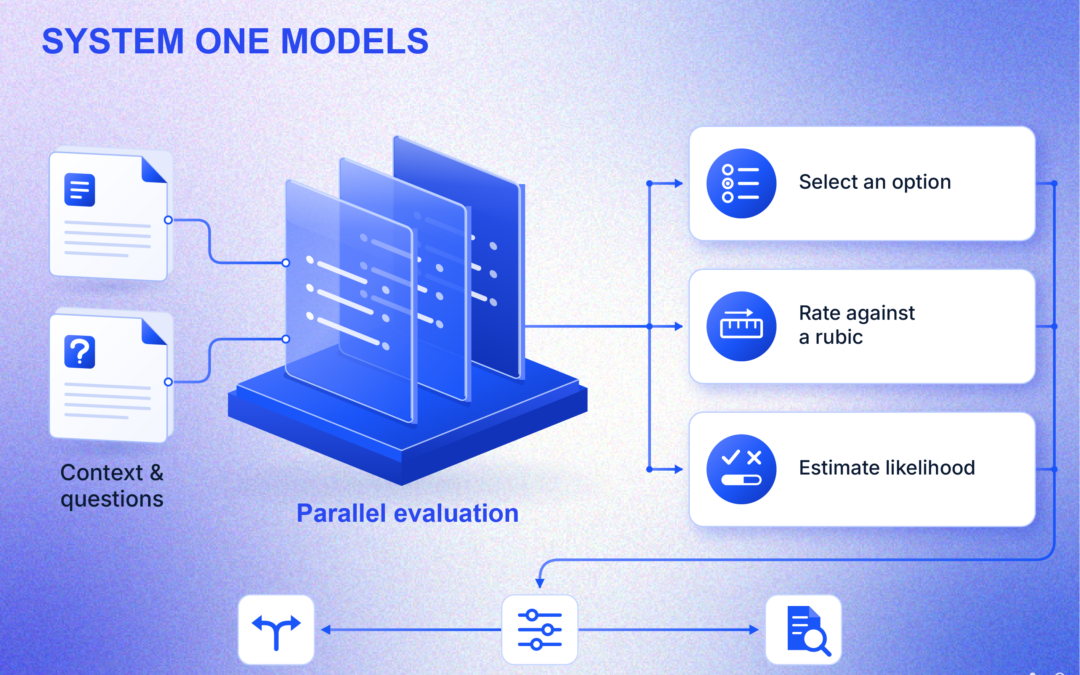
System One Models: A Technical and Enterprise Architecture Deep Dive
A System One model is a proposed class of AI model optimized for fast, bounded judgments that software can consume directly.
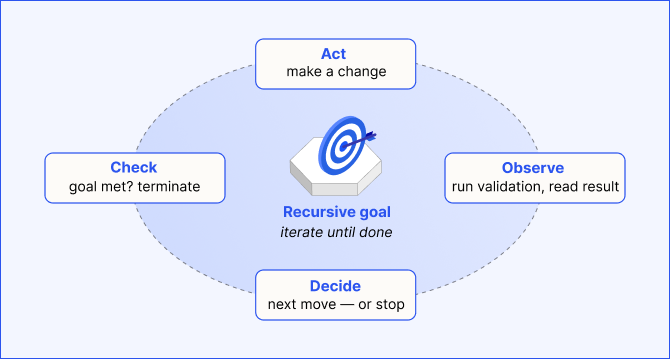
Loop engineering for AI agents: Building reliable autonomous systems
Loop engineering is the practice of designing, operating, and improving the feedback systems that let an AI agent plan, act, observe the results, and revise its approach until a goal is reached without a human driving every turn.
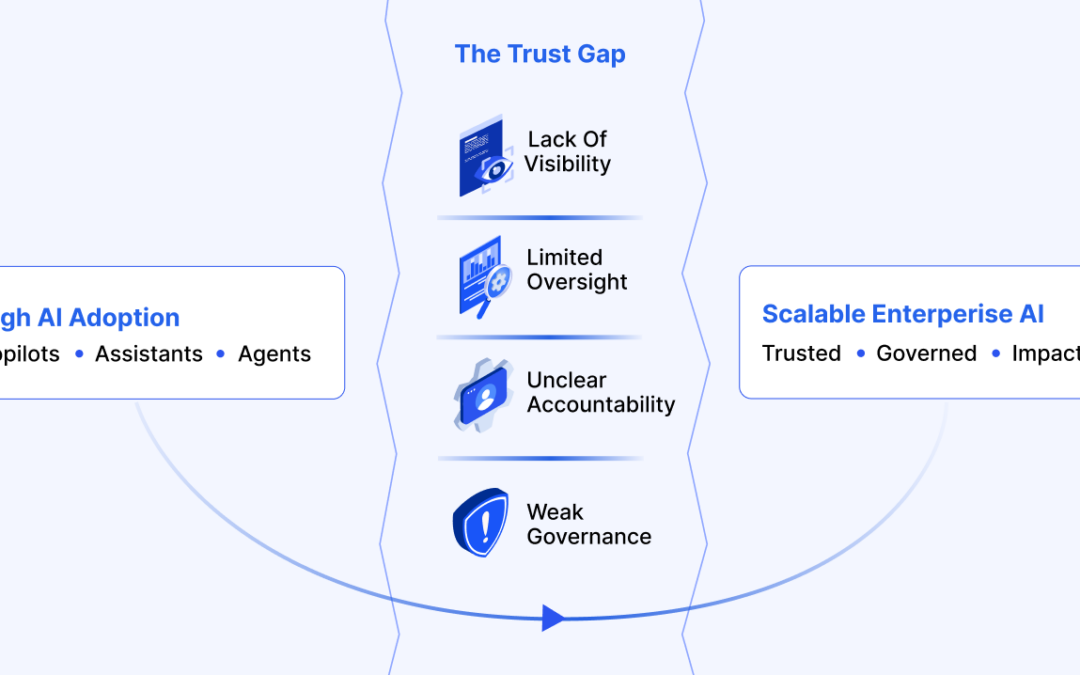
The AI trust gap: Why governance architecture determines enterprise value
The trust gap surrounding enterprise AI is fundamentally an architectural challenge, and its solution is increasingly well understood.
The AI ROI illusion: Why enterprises struggle to measure AI impact
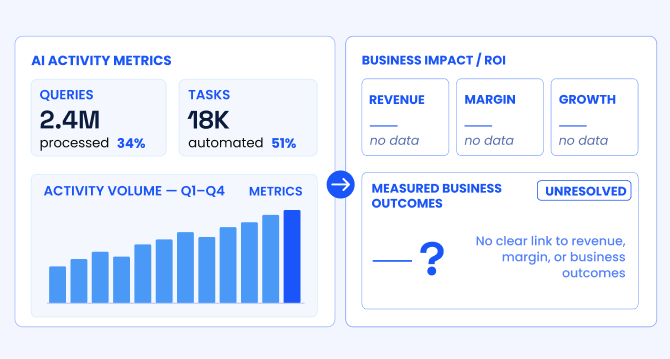
Organizations with stronger measurement discipline are better positioned to link AI deployments to measurable business outcomes, prioritize high-impact use cases across the enterprise, allocate capital more effectively, and continuously refine models using real-world performance feedback.
The agentic enterprise: Why AI success requires an operating model redesign
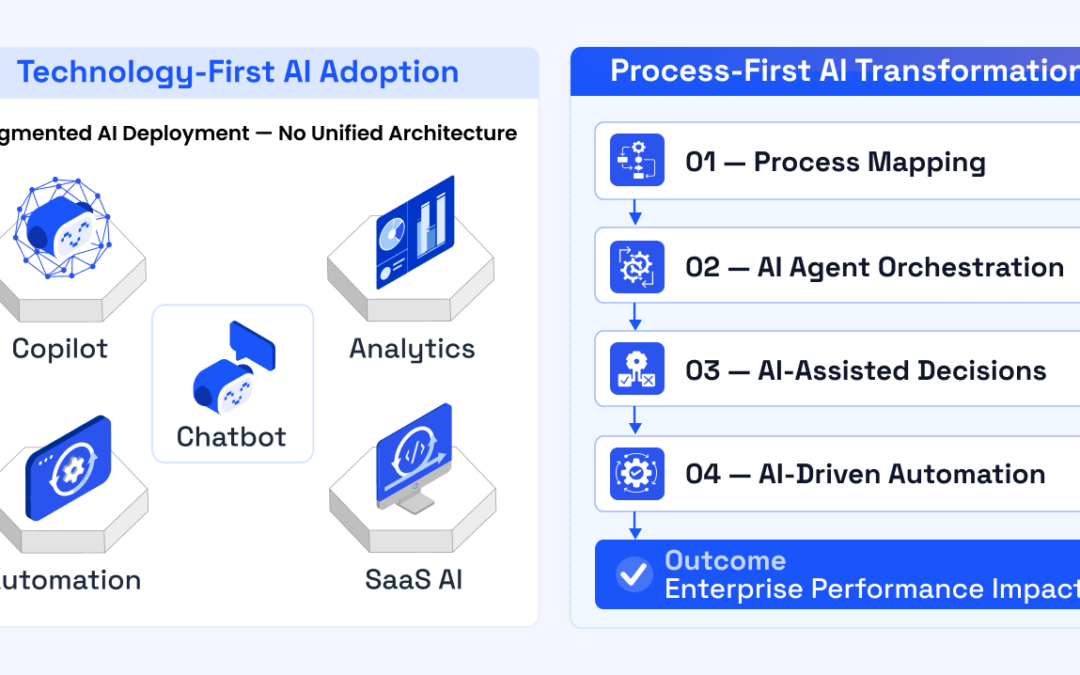
Organizations that redesign their operating models around agentic AI are beginning to outperform those that apply AI only incrementally.
Enterprise AI pilot-to-production gap: Root causes & how to address them
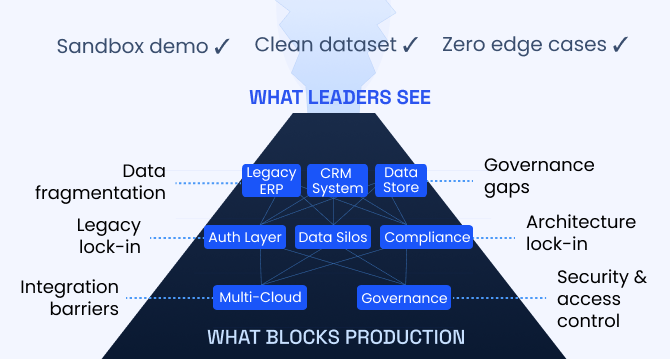
The underlying cause is structural. In many enterprises, AI pilots are developed on infrastructure that was not designed to support production deployment.
Solution architecture best practices: A guide for enterprise teams
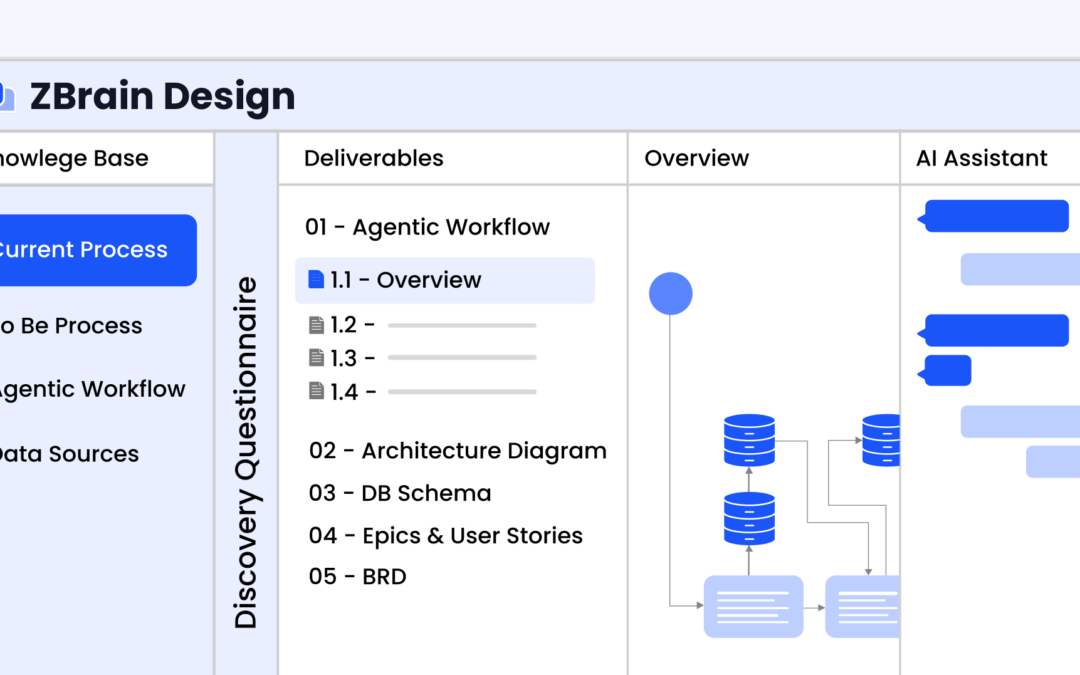
The architecture design process culminates in a set of documented artifacts that communicate the solution to development, operations, and business teams.
Common solution architecture design challenges and solutions
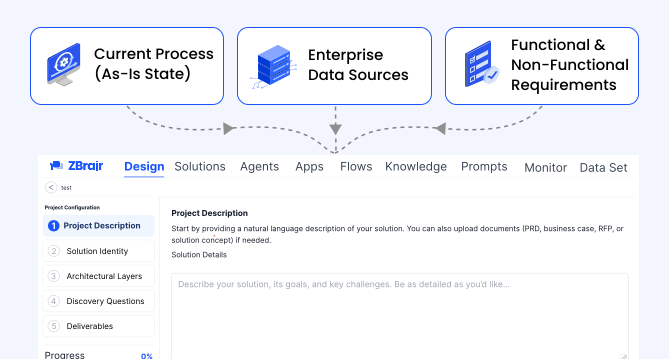
Solution architecture must evolve from fragmented documentation practices to a structured, collaborative, and continuously validated design capability.
Why structured architecture design is the foundation of scalable enterprise systems
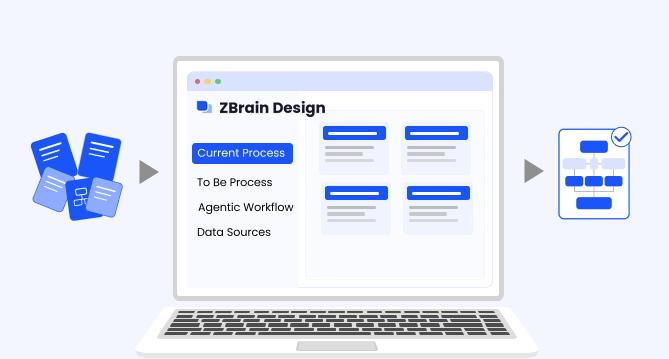
Structured architecture design guides enterprises from requirements to build-ready blueprints. Learn key principles, scalability gains, and TechBrain’s approach.