Manufacturing
 Logistics
 Real Estate
 Retail
 Finance
 Healthcare
 Hospitality
 Automotive
Insights
Company Updates & Technology Articles

What is an enterprise search engine? A guide to AI-powered information access
An enterprise search engine is a specialized software that enables users to securely search and retrieve information from across an organization’s internal data sources and systems.
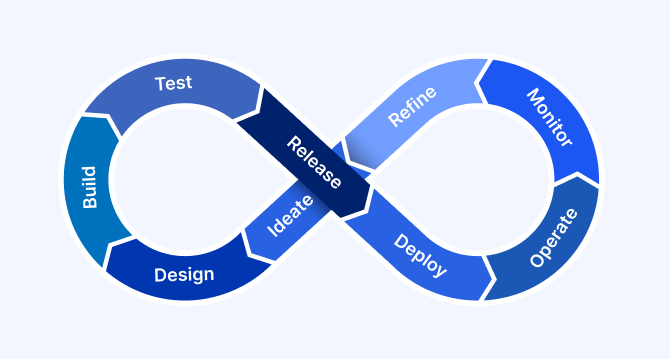
A comprehensive guide to AgentOps: Scope, core practices, key challenges, trends, and ZBrain implementation
AgentOps (agent operations) is the emerging discipline that defines how organizations build, observe and manage the lifecycle of autonomous AI agents.
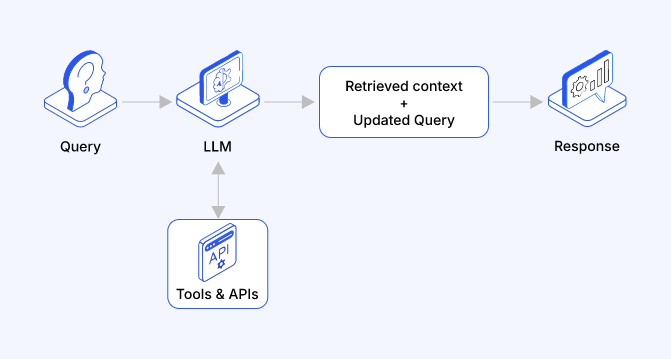
Adaptive RAG in ZBrain: Architecting intelligent, context-aware retrieval for agentic AI
Adaptive Retrieval-Augmented Generation refers to a class of techniques and systems that dynamically decide whether or not to retrieve external information for a given query.
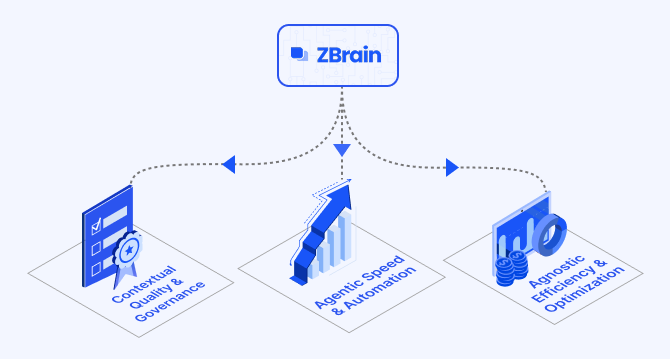
How ZBrain breaks the trade-offs in the AI iron triangle
ZBrain’s architecture directly challenges the conventional AI trade-off model—the notion that enhancing one aspect inevitably compromises another.
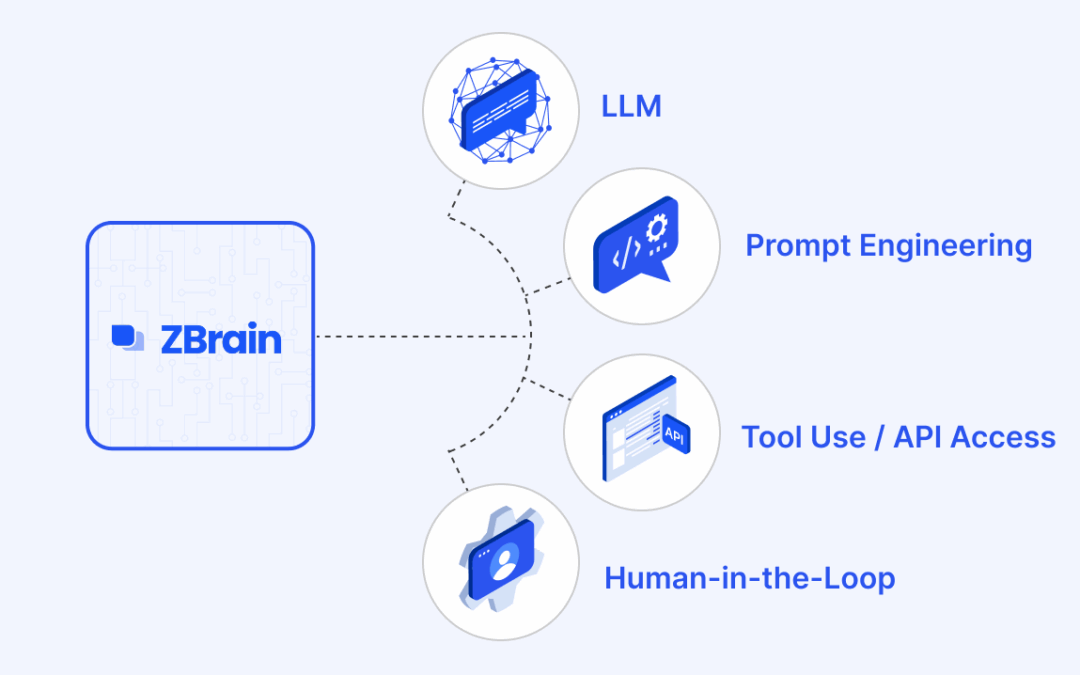
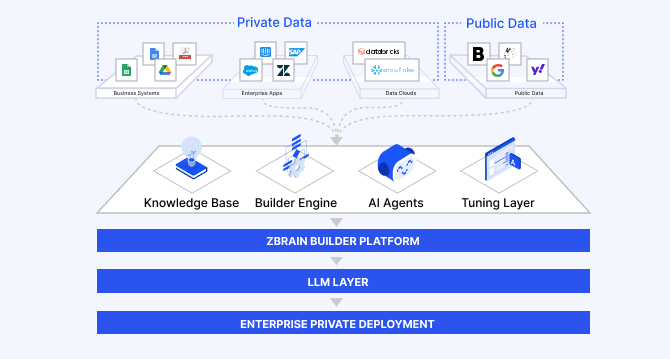
ZBrain Builder’s AI adaptive stack: Built to evolve intelligent systems with accuracy and scale
ZBrain Builder’s AI adaptive stack provides the foundation for a modular, intelligent infrastructure that empowers enterprises to evolve, integrate, and scale AI with confidence.
Automated AI workflows with ZBrain: Flows, LLM agents and orchestration patterns
ZBrain enables enterprises to design workflows that are intuitive for teams, efficient in execution, and adaptable to evolving business needs—transforming automation into a strategic advantage.

Why Structured Solution Architecture Design Is Critical for Successful Solutions
Solution architecture focuses on designing and describing how a specific system will solve a business problem while aligning with enterprise standards.
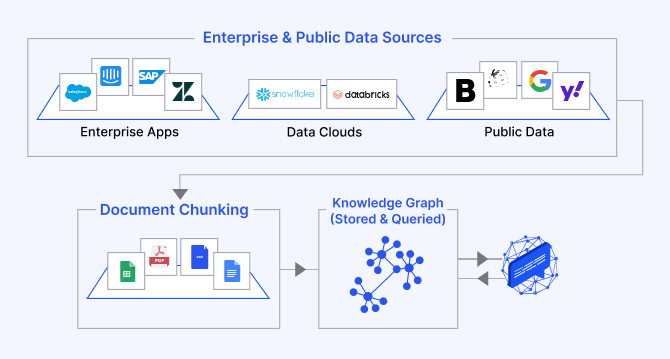
The role of knowledge graphs in building agentic AI systems: Architecture, reasoning, and ZBrain’s implementation
ZBrain Builder leverages knowledge graphs to improve contextual precision and enable reliable multi-hop reasoning in its agent responses.
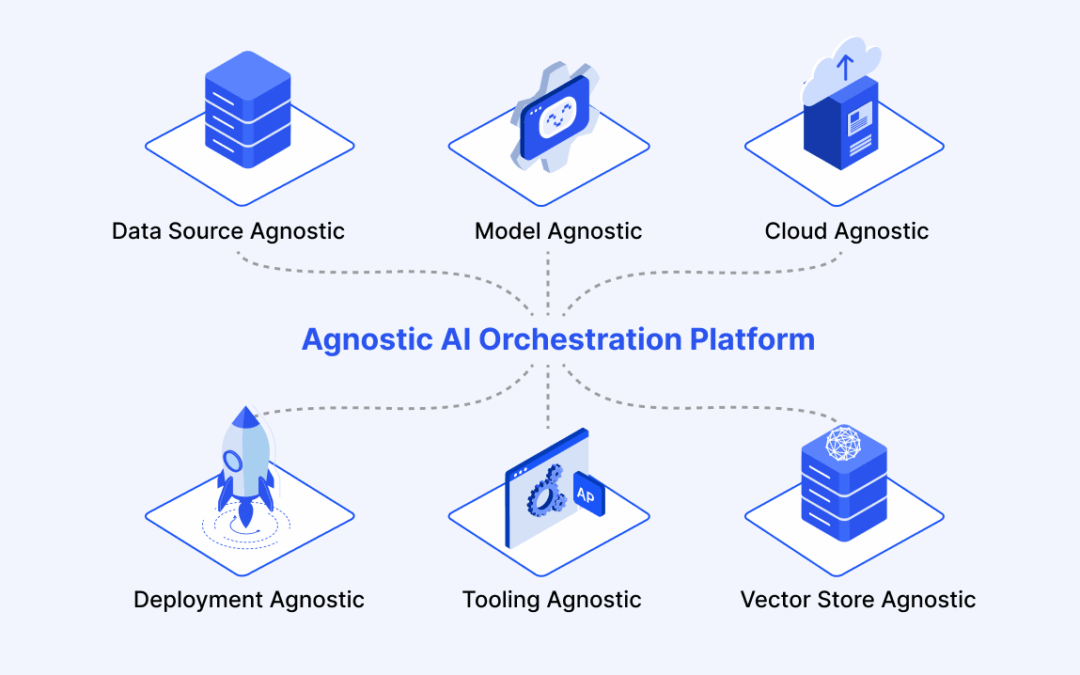
ZBrain Builder: The agnostic agentic AI platform redefining enterprise AI orchestration
ZBrain Builder simplifies many aspects of AI development through its low-code interface and agnostic integration capabilities, maximizing its value depends on thoughtful planning across deployment, configuration, governance, and integration.
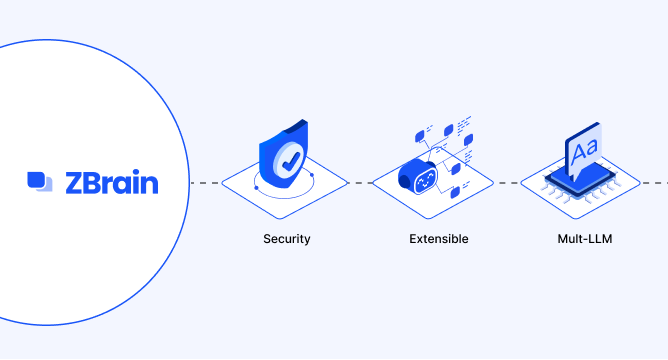
How ZBrain Builder accelerates enterprise delivery with low-code development
Low-code development and generative AI are two transformative forces that converge in ZBrain Builder to create a potent platform for enterprise innovation.
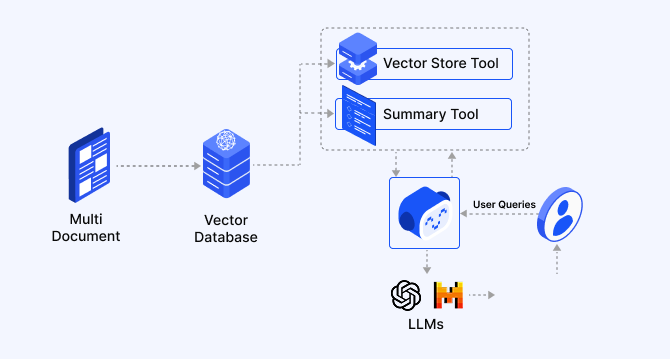
Agentic RAG in ZBrain: How intelligent retrieval is powering enterprise-ready AI
Discover how agentic RAG evolves AI retrieval into a dynamic, reasoning-driven workflow with ZBrain, uniting LLM intelligence and orchestration for accuracy.
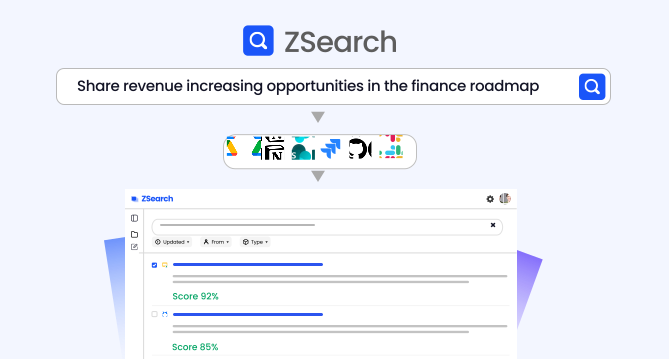
Internal search for enterprises: Scope, capabilities, benefits, best practices and AI-powered solution
Internal search is a centralized capability that enables employees to find information across an organization’s digital ecosystem through a single, secure search experience.